Why Ant Baiting Sometimes Fails (and What Works Better)
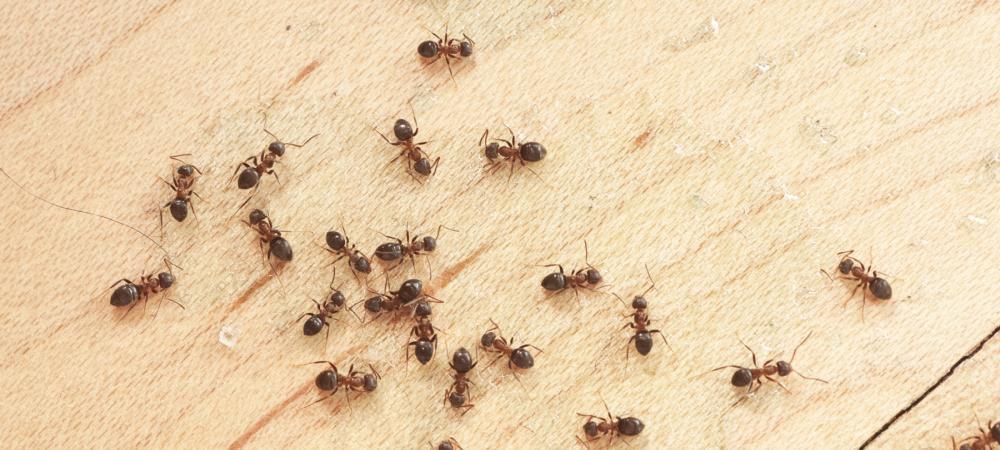
Ant baiting fails most often because it does not address how ant colonies actually function. While bait products can reduce visible ants temporarily, they often miss the queen, satellite colonies, or changing food preferences that allow infestations to persist.
Why Ant Baiting Doesn’t Always Solve The Problem
Ants operate as a colony, not as individuals. The ants you see are foragers whose role is to locate food and bring it back to the nest. If the bait never reaches the reproductive ants or the colony structure is misunderstood, the infestation continues.
Here are the most frequent reasons ant baiting does not work as expected:
- The bait does not match the species’ food preference, which can change seasonally between sugars and proteins.
- The colony has multiple satellite nests, meaning workers may not be feeding a single queen.
- The bait is placed incorrectly, often too close to entry points instead of along active trails.
- Sprays or cleaners disrupt bait transfer, killing worker ants before the bait can spread through the colony.
- Outdoor nests are left untreated, allowing ants to continue entering the structure.
Because of these variables, baiting alone often treats symptoms rather than the source.
Can DIY Ant Baiting Help At All?
DIY baiting can help reduce activity when the infestation is minor or newly established. However, expectations should remain realistic.
Two DIY approaches that may provide short-term improvement include:
- Placing species-appropriate bait directly along active trails, allowing worker ants to carry it back naturally.
- Reducing competing food and moisture sources, such as crumbs, pet food, and leaks that draw ants away from bait.
Even when these steps are done correctly, they rarely eliminate the entire colony. In many cases, ant activity simply shifts to a different area of the home.
What Works Better Than Baiting Alone?
Long-term ant control requires understanding the species involved and how the colony is structured. Effective solutions go beyond killing visible ants and focus on preventing reinfestation.
A more comprehensive approach includes:
- Identifying the ant species and nesting behavior.
- Locating outdoor nests and treating them directly.
- Applying perimeter treatments that interrupt entry points.
- Monitoring seasonal activity changes that affect ant behavior.
Because ant pressure fluctuates throughout the year, one-time treatments often fail to keep up.
Why Recurring Pest Control Is The Best Way To Get Rid Of Ants
Recurring pest control works better because it accounts for changing conditions. Ants respond to temperature, rainfall, and food availability, which means activity can spike even after a successful initial treatment.
Ongoing service allows adjustments to be made before ants become established again, rather than reacting after infestations spread indoors. If you're looking for a professional ant control in New York, our exterminators can take the problem off your hands!
Final thoughts
Ant baiting is not useless, but it is frequently misunderstood or may not be enouogh. Without addressing colony structure, nesting locations, and seasonal behavior, baiting alone often leads to repeat problems.
If ants continue to return despite repeated baiting, contact Rudy’s Exterminating Co., Inc. to evaluate whether a recurring pest control approach is appropriate for your home.