
Do Termites Die In New York Winters? The Cold, Hard Truth
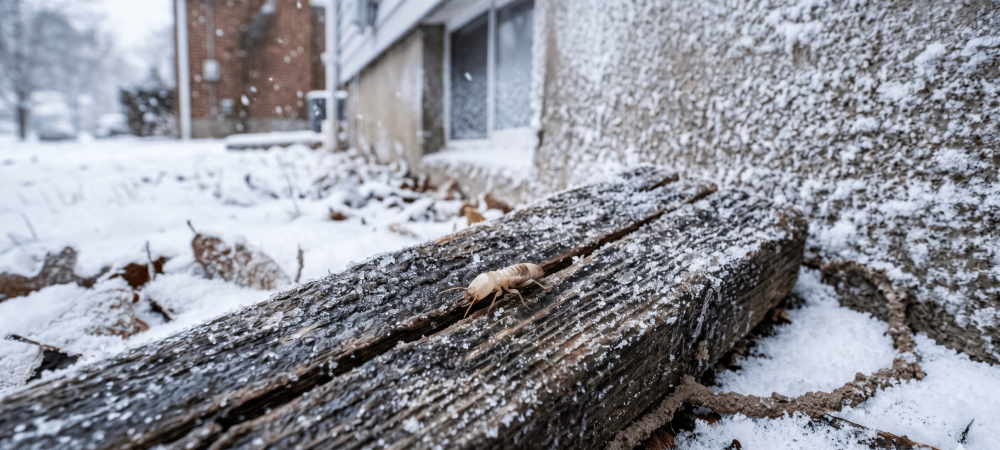
When the brutal winter rolls into New York, bringing freezing temperatures, ice, and snow, most homeowners breathe a sigh of relief when it comes to bugs. It is incredibly common to assume that the same bitter cold that wipes out the mosquitoes and sends ants into hiding will also freeze out wood-destroying pests.
Unfortunately, that is a dangerous misconception. Freezing New York temperatures do not kill termites. Here is exactly what happens to termites during the winter months, how they survive the freeze, and why your home might be at risk even when there is snow on the ground.
The Strategy of the Eastern Subterranean Termite
The primary termite species we deal with in the New York metro area is the Eastern subterranean termite. Unlike certain pests that die off and rely on eggs to rebuild their populations in the spring, subterranean termite colonies are built for long-term survival.
They don't freeze to death when the temperature drops; they simply change their strategy.
Going Below The 'Frost Line'
Subterranean termites require moisture and specific temperatures to survive. When the crisp autumn air turns into freezing winter wind, the top layer of New York soil freezes solid.
To avoid freezing, termite colonies instinctively begin to dig deeper into the earth, migrating below the "frost line." The frost line is the maximum depth where groundwater in soil is expected to freeze. Once they get beneath this line, the soil temperature stabilizes. Down there, the termites enter a slowed-down state. They aren't dead, and they aren't fully hibernating. They are simply sluggish, waiting out the cold until the spring thaw allows them to return to the surface.
How Termites Stay Active Year-Round
If every termite retreated deep underground and stopped eating until April, winter wouldn't be a problem. However, there is another way they can survive: your home’s heating system.
Termites don't need to dig deep into the earth if they can find an artificial heat source. If a termite colony is located near your property, the heat radiating from your home can keep the surrounding soil warm enough to sustain them. Termites will actively seek out and exploit warm spots, such as:
- Heated Basements: The walls and floors of a heated basement keep the adjacent soil perfectly comfortable for foraging termites.
- Boiler Rooms & Water Heaters: These areas generate constant, intense heat. If termites find a pathway near a boiler room, they will remain highly active.
- Crawlspaces: Enclosed crawlspaces often trap heat and moisture, creating a perfect winter oasis for a colony.
- Buried Steam Pipes: Properties with underground heating pipes provide a heated highway straight to a structure's foundation.
When a colony locates one of these warm zones, they don't slow down. They just bypass their winter routine completely and continue to tunnel, forage, and consume the wood in your home 24 hours a day, 365 days a year.
Don't Let Your Guard Down
Just because you can't see them doesn't mean they aren't working. Relying on the winter to handle your pest control is a gamble that could result in thousands of dollars in structural damage.
If you suspect you have a termite issue, or if you simply want peace of mind this season, don't wait. The New York termite exterminators from Rudy's Exterminating are equipped to identify, assess, and treat termite activity year-round. If you suspect a problem or want to be proactive, contact us today for a free quote!